Aviation Leadership: Change the World
by Rob Mark — The fact that I grew up during the radical insanity of the 60’s is not going to come as any great surprise to some readers. It might actually explain quite a bit about my personality to a few in fact.
 But before any snap decisions, readers need to know that when most kids on college campuses were carrying signs and burning bits of everything, I was serving on active duty with the U.S. Air Force. I mention this only as a point of reference though, not because we differed in philosophies.
Students of the 60’s wanted to change the world, spurred on by their intense hatred of the draft-supported war in Viet Nam that claimed more than 50,000 U.S. lives. They wanted a better life. But the war did something else to we who grew up in the 60’s. It changed the way we interacted later in life with the world around us. We actually believed we could change the world.
Jump ahead 40 years to an aviation industry left in tatters, some would say, by one of the ugliest recessions in modern memory. It wasn’t simply the economy that did us in though — especially those of us here in the business aviation/general aviation trenches. A serious lack of entrepreneurial thinking also pushed us to the brink. For example, I expect very little help from the government, but the recent Future of Aviation Advisory Committee (FAAC) proves yet again that no bad idea ever dies in Washington, even those airline-focused ones that should.
Heroes
As I think about industry heroes, my list tends to be pretty short. Jack Pelton’s announcement today at NBAA 2010 today that Cessna plans to roll out more new aircraft and break the conservative manufacturing mold mindset was certainly a breath of fresh air in a traditionally risk averse business. Leaders push the envelope, even when things are not 100 percent safe, a concept all of us in this industry should be able to identify with. After all, isn’t that how we aviation geeks evolved?
Names like Burt Rutan or Herb Kelleher 0r Alan Klapmeier pop into my head, people who have all tugged at the norms in what is an incredibly “expensive industry in which to fail.” The rest of the folks in charge certainly do admirable jobs of managing people and resources — especially these days — traits sure to increase that shareholder return on investment. But true leaders, sorry, no, not these folks.
 The soul of a leader is part teacher, part entrepreneur, part visionary — a man or woman, who believes not simply that they possess the knowledge to build a (Bill Lear) better mousetrap, but are also people willing to stick their necks out at a time when all too many others are waiting in the wings to chop them off at the first sign of a misstep. Who would you nominate to fill that slot? No politicians I bet.
Leaders are never satisfied. That often makes them impossible people to live and work with. They act like carriers of a Super-ADHD gene that makes it difficult to focus on silly managers and stupid strategies despite what their boards of director demand. So where are those Bill Lear-like leaders when you need them? Even former Eclipse Aviation CEO Vern Raburn would make my visionary list. Sure his prickly personality does make him into a bit of an aviation-industry Mark Zukerberg, but that’s OK. Vern disrupted things … he pushed the envelope.
A leader wants to see others succeed. They nurture the spirit they see in the mirror each morning when they notice it in someone else’s eyes. Nurturing anything, from a rare orchid flask to a young child to an employee takes dedication … and most of all patience, a trait all too rare in today’s aviation marketplace
Certainly we’re seeing cutting edge technology — love the G5000 BTW Garmin. I even have hopes for the airlines on days like those when people like United’s new CEO Jeff Smisek — formerly of Continental — tells the world that as soon as the ink dries on the merger paperwork, his first priority is dealing with the culture of United (WSJ subscription may be required).
But who is going to fight the international flight training certification battle Scott spoke about last week? That’s going to hit everyone hard. Will we as an industry simply stand by and wait for someone else to solve the problem of one more European-generated mandate? Possibly. Nothing about flight training even made the agenda at the Future of Aviation Advisory Committee’s final meeting in Los Angeles though. How can we as an industry expect to survive when we hand over the development of long-term meat and potatoes industry strategy to people who never aimed anything outside the envelope?
Who are the people who will lead the industry through the next decade … Hell, the next few years? Both Republican and Democratic industry titans have been whinning for years about removing the government from more of our business haven’t they? 
So tell me why then, the Department of Transportation organized the FAAC and not the industry itself, unless of course the entire committee really is nothing more than a great piece of PR fluff as some sources have told me? If I have to choose between Ray LaHood or Alan Klapmeier telling me how to grow my industry, I’ll choose the new Kestrel CEO every time. Bet no one asked him though.
Change the world.
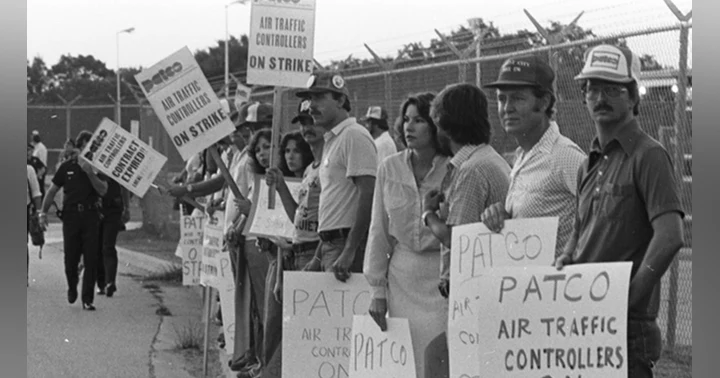
ATC: 45 Years After the PATCO Strike