Controllers Work Less Air Traffic Now Than in 2000
Before you all begin sending shipping the uglygrams, let me tell you that neither the title of today’s editorial, nor the concept behind it originated with me.
The idea that air traffic controllers are working less traffic these days – as well as few more interesting tidbits – originated with the man in charge of the agency, acting administrator Bobby Sturgell.
In front of a crowd of 300 to 400 people at this year’s AirVenture a few weeks ago, Sturgell took questions from the audience during the “Ask the Administrator” session.
I had never heard Sturgell in person, but have listened to a ton of people tell me about what a good guy Sturgell is.
As a man, Bobby may well be a great guy, the kind you’d want to have a beer with. And I can tell you that anyone who can ka-thunk a fighter plane down on a moving aircraft carrier at night in bad weather has my respect … as an aviator. But in my experience, pilots make lousy leaders. And as an administrator, Sturgell’s hasn’t altered my opinion on this.
One of the first questions quizzed Sturgell about the status of an NPRM that would potentially require aircraft owners to re-register their aircraft. Sturgell’s face took on a deer in the headlights kind of look as he sought an answer from of one of his trusted advisors sitting in the first row. Nothing. And this was one of the first questions. Not a good sign I thought.
I stood and asked Sturgell why re-opening contract negotiations with controllers was portrayed as such a bad option, especially in light of the rapid exodus of experienced people from towers and radar rooms around the country. Wouldn’t there be a value to keeping the experienced people around for a few years during the transition I wondered?
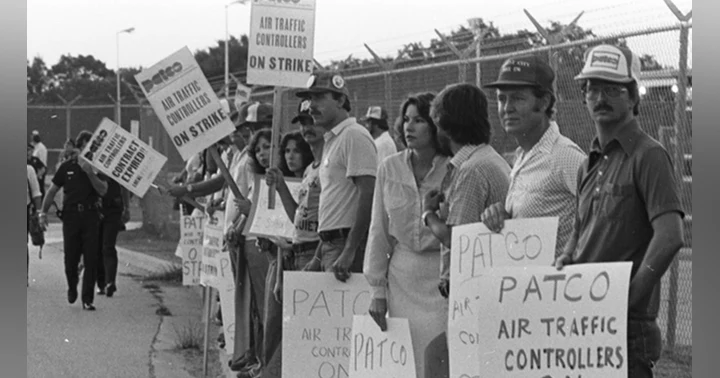
Clearly irritated at my question, Bobby said that it was a requirement that controllers retire at 56, which meant thousands hired after the 81 controller strike were eligible. He insinuated that those people HAD to retire. I assumed he was also going to tell the audience that the agency had the power to offer exceptions. He never did.
Staffing is Fine
Sturgell told everyone that the agency is “staffing to needs,” and that as a group, controllers are now “handling fewer operations per controller than in 2000.” That one really caught me. Fewer bodies everywhere, people working mandatory six day weeks and 10 hour days AND, they’re working less traffic than eight years ago. That would seem a pretty tough equation to balance.
The agency is having no trouble recruiting people Sturgell added, especially because new controllers can easily reach a $90,000 pay scale in five years. The agency will hire 2,000 new folks in 2009. I never had a chance to ask how many of the 3,000 trainees the agency hired in the past few years either failed in training or simply quit.
To help the audience better understand the issue, Bobby told them that the new work rules did not cut anyone’s pay. And besides, he said, the new contract never happened because it was simply not affordable to the agency, especially since the top one third of controllers average $168,000 annually today.
It was pretty clear Bobby was hoping there would not be anymore to this line of questioning. Sturgell told the audience that he had other labor unions priorities to deal with beside controllers. Inspectors hadn’t had a contract in five years he said. I wonder why?
As a final thought, Sturgell said the reason the controllers are so unhappy is essentially their own fault because the agency had made a $700 million settlement offer before the new work rules were shoved down people’s throats. No one said a word. That was the first I’d heard of that one. Sturgell moved on to another question, so my time was obviously up.
I’m kind of wondering if Sturgell and United’s Glenn Tilton might have attended the same graduate management school. Sure sounds like it to me.
ATC: 45 Years After the PATCO Strike